

Adventure has a way of making ordinary moments feel extraordinary. A quiet trail can suddenly seem mysterious. A fast-moving river can feel like a living creature. Even a simple walk into unfamiliar territory can carry the excitement of a much larger journey.
Adventure feels different for everyone. For some, it means hiking through a silent forest, while others find it in a spontaneous road trip or a daring new experience. Whatever form it takes, adventure brings excitement, uncertainty, and a sense of discovery.
Similes for adventure help capture those feelings by comparing an adventurous experience to something vivid and familiar.
A good simile can make adventure feel alive. You might describe a thrilling journey as “like riding a wild roller coaster” or an exciting expedition as “like stepping into an unknown world.” These comparisons give readers a clearer picture of the energy, risk, freedom, and curiosity that often come with adventure.
Writers use similes for adventure in stories, poems, travel descriptions, essays, and everyday conversations.
They can turn a simple sentence into something memorable. Instead of saying, “The journey was exciting,” you could say, “The journey was like a spark racing through dry grass.” Suddenly, the sentence has movement and emotion.
In this guide, you’ll discover creative similes that describe different sides of adventure, from thrilling and daring experiences to peaceful exploration. Whether you’re writing a story, creating a travel caption, or looking for fresh descriptive language, these comparisons can help your words travel farther.
A strong simile doesn’t merely decorate a sentence. It gives the reader something concrete to picture. Instead of saying that an explorer felt excited, you can compare that excitement to a spark racing through dry grass. Instead of calling a mountain trail difficult, you can describe it as steep as a ladder against the sky.
These comparisons make adventure writing more vivid without requiring complicated vocabulary.
Whether you’re writing a story, travel article, school essay, social media caption, or personal journal, the right simile can bring movement and emotion to the page. Below, you’ll find more than 100 similes for adventure, organized by meaning and writing purpose.
Reade More:Similes for Alone : Powerful Comparisons for Loneliness, Peace, and Solitude
What Is a Simile for Adventure?
A simile for adventure compares an adventurous person, place, experience, emotion, or action to something else using words such as like or as.
For example:
“The winding trail stretched like a ribbon through the mountains.”
The trail isn’t literally a ribbon. The comparison helps readers imagine its long, narrow, winding shape.
Another example is:
“Her excitement rose like a wave before a storm.”
The comparison communicates growing anticipation more effectively than simply saying, “She was very excited.”
A useful adventure simile usually has three parts:
| Part | Example |
| Subject | The trail |
| Comparison | A snake |
| Connecting word | Like |
| Complete simile | The trail twisted like a snake. |
The best comparisons share a specific quality. A mountain might be compared to a wall because both can seem enormous and difficult to climb. A rushing river might resemble a charging animal because both suggest force and movement.
Why Do Similes Work So Well for Adventure Writing?
Adventure involves movement, uncertainty, emotion, and unfamiliar surroundings. Those elements give writers plenty of opportunities to create vivid comparisons.
Compare these two sentences:
Plain:
“The hikers walked through the forest.”
With a simile:
“The hikers moved through the forest like travelers entering a forgotten kingdom.”
The second version creates atmosphere. It gives the reader a feeling of mystery and discovery.
Best Similes for Adventure
Here are some versatile similes for adventure that can fit many different writing situations.
- The journey unfolded like a map coming to life.
- The trail twisted like a snake between the rocks.
- His excitement burned like a bright flame.
- The adventure rushed forward like a river after heavy rain.
- The mountain stood like a giant guarding the valley.
- The explorers moved like shadows through the forest.
- The unknown stretched ahead like an unopened book.
- Her curiosity grew like a fire catching dry wood.
- The road disappeared like a thread into the distance.
- The wind struck their faces like icy needles.
- The expedition felt like stepping into another world.
- The river roared like a restless beast.
- The climb seemed as challenging as wrestling with a giant.
- Their courage rose like the morning sun.
- The landscape opened before them like a giant painting.
These examples work because they connect an abstract experience with something readers can visualize.
Short and Powerful Adventure Similes
Sometimes you don’t need a long comparison. A few carefully chosen words can create enough imagery.
Short Similes for Adventure
- Wild like a storm
- Free like a bird
- Fast like lightning
- Brave like a lion
- Quiet like a shadow
- Cold like ice
- Steep like a wall
- Dark like midnight
- Bright like sunrise
- Fierce like a wildfire
- Restless like the ocean
- Silent like snowfall
- Bold like an arrow
- Mysterious like a hidden door
- Endless like the horizon
These compact comparisons work especially well in captions, titles, dialogue, and short descriptive passages.
Similes for an Exciting Adventure
Excitement gives adventure writing its pulse. The comparison should ideally suggest energy, movement, anticipation, or sudden change.
Try these:
- The adventure began like a rocket launching into the sky.
- Her heart raced like a horse across an open field.
- The excitement spread like wildfire through the group.
- The boat shot forward like an arrow from a bow.
- Their anticipation built like thunder before a storm.
- The crowd moved like a rushing tide.
- His thoughts raced like cars on a highway.
- The adventure exploded into action like fireworks across the night sky.
- Their energy surged like electricity through a wire.
- The excitement was like a drumbeat growing louder with every step.
Similes for a Thrilling Adventure
A thrilling adventure needs stronger imagery. Comparisons to storms, cliffs, racing animals, and powerful forces can create that effect.
- The descent felt like riding a lightning bolt downhill.
- The raft bounced like a leaf on a furious river.
- The climber held on like a bird gripping a branch in a storm.
- The chase moved like thunder across the valley.
- The waves crashed like enormous fists against the shore.
- The helicopter rose like an eagle escaping a canyon.
- Fear and excitement battled like two storms colliding.
- The trail disappeared ahead like a road swallowed by fog.
Similes for Adventure in Nature
Nature provides some of the richest material for adventure similes. Mountains, rivers, forests, deserts, and oceans already contain movement and drama.
Instead of forcing a comparison, look closely at the natural feature you’re describing. Ask what it looks, sounds, feels, or moves like.
Similes for Mountain Adventures
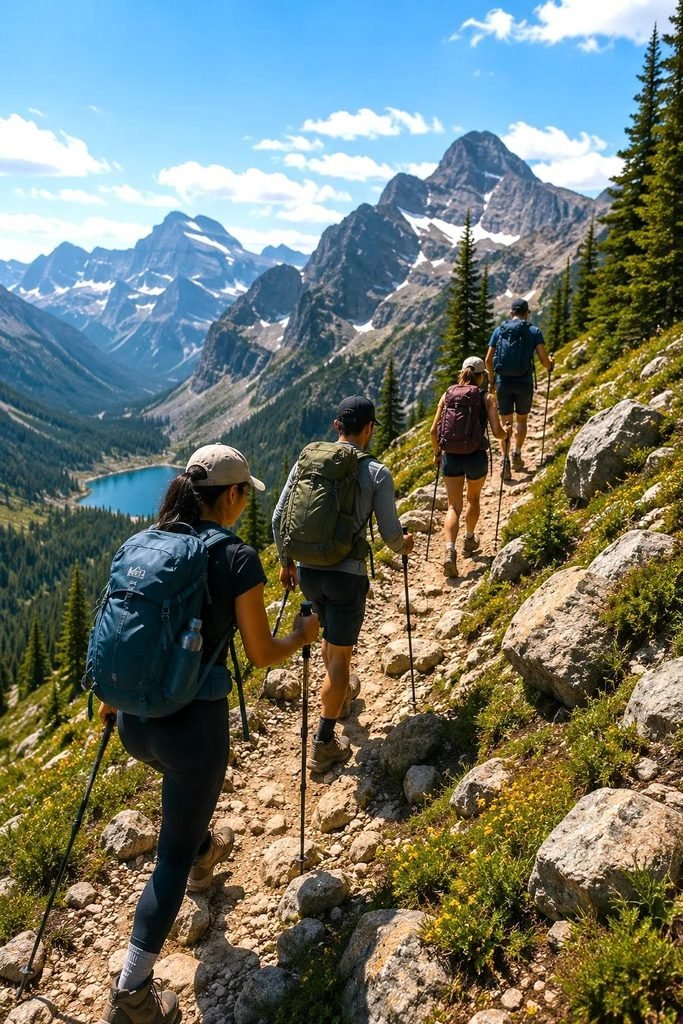
Mountains can represent challenge, scale, isolation, beauty, and achievement.
- The mountain rose like a giant wall above the valley.
- The peak stood like a crown above the clouds.
- The trail climbed like a staircase toward the heavens.
- The rocks were scattered like broken pieces of an ancient puzzle.
- The summit appeared like a prize above the clouds.
- The cliffs towered like enormous stone guardians.
- The snow covered the peak like white silk.
- The mountain path curled like a ribbon around the slopes.
- The climbers looked like tiny ants against the enormous mountain.
- The wind howled like a wolf across the ridge.
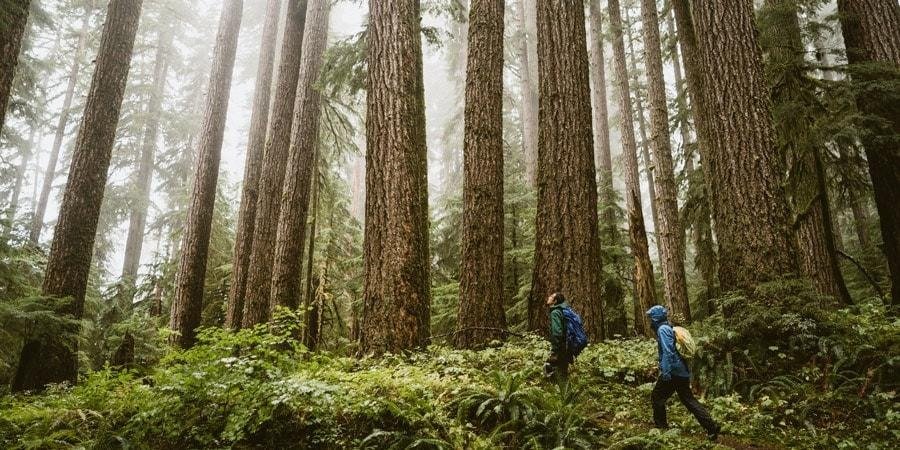
Similes for Forest Adventures
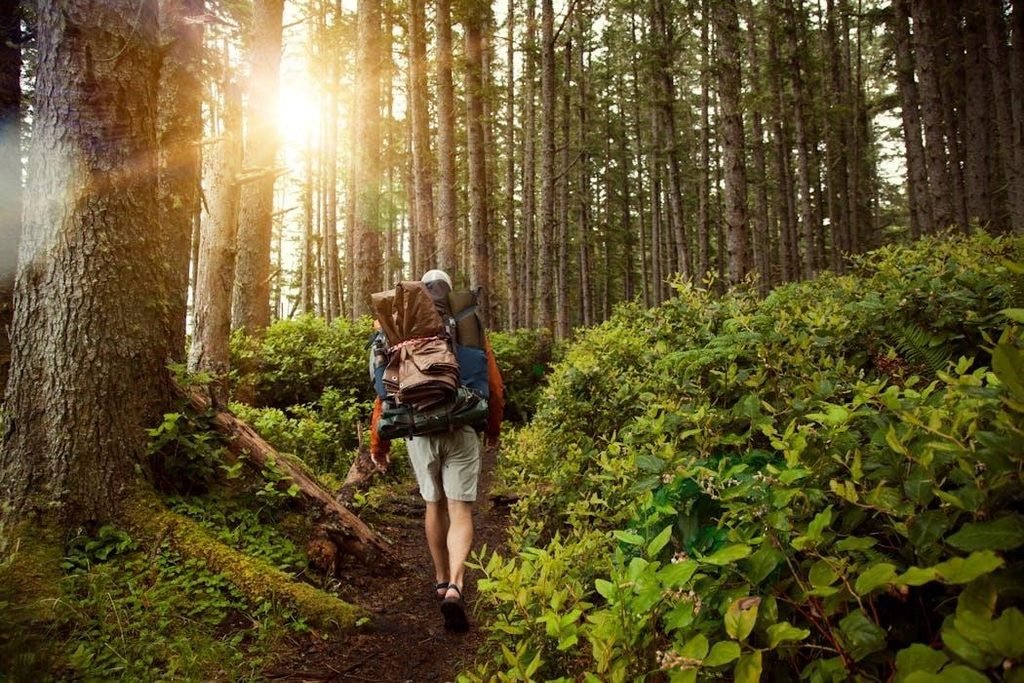
Forests naturally create mystery because trees can block light and hide what lies ahead.
- The forest stood like a green fortress.
- The trees stretched upward like countless spears.
- The path vanished like a secret swallowed by the woods.
- Mist drifted between the trees like smoke from an invisible fire.
- The branches reached overhead like fingers forming a roof.
- The forest was quiet like a library after midnight.
- Shadows moved across the trail like silent travelers.
- The leaves rustled like whispers passing through a crowd.
- The sunlight fell through the branches like golden threads.
- The ancient trees stood like watchful guardians.
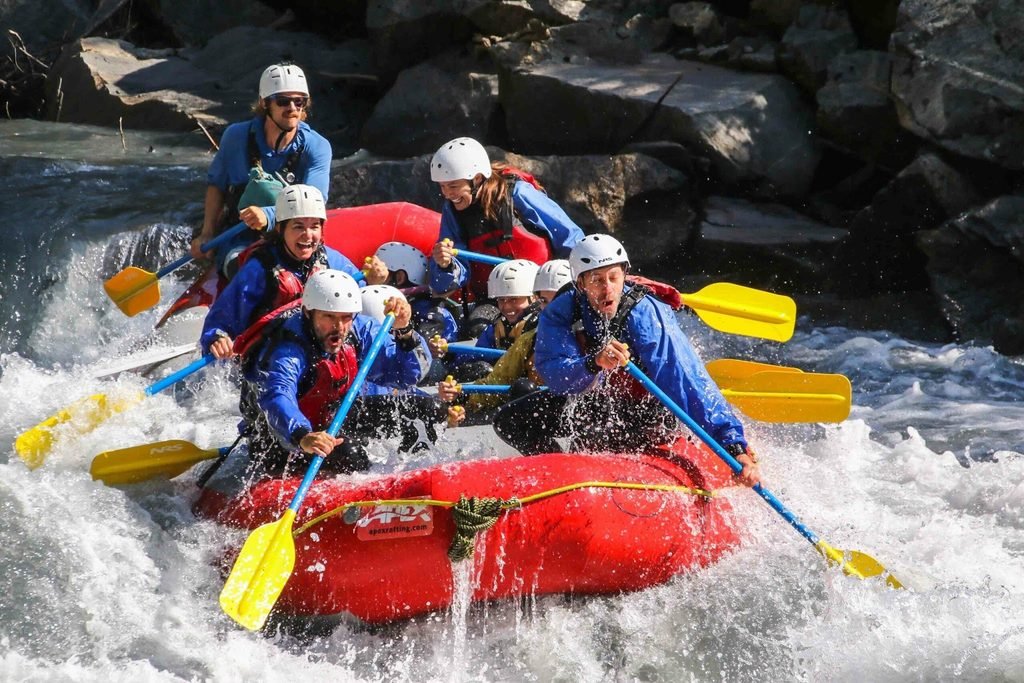
Similes for Ocean and Water Adventures
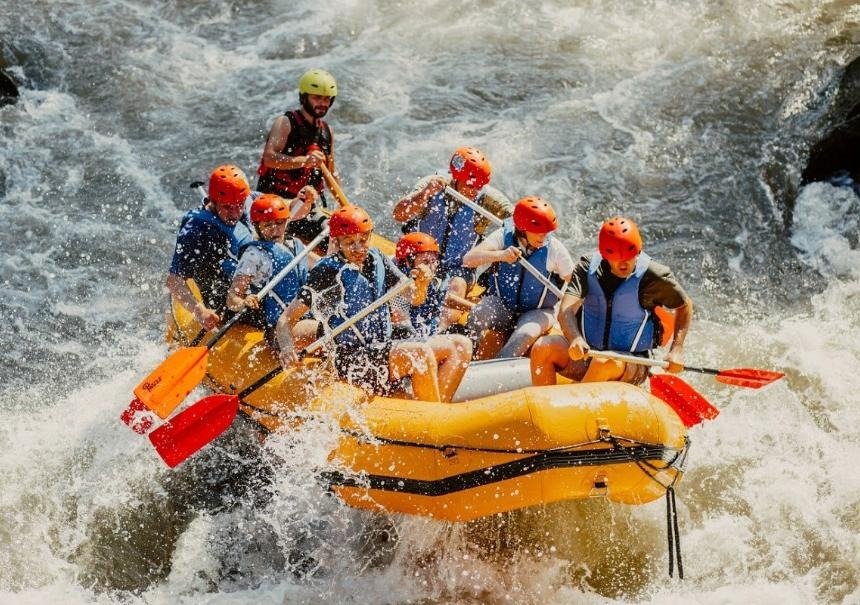
Water can feel peaceful one moment and dangerous the next. Your simile should match the mood.
- The waves rose like mountains of blue glass.
- The boat rocked like a cradle on restless water.
- The river rushed like an untamed horse.
- The waterfall thundered like a thousand drums.
- The current pulled them like an invisible rope.
- The sea stretched outward like an endless sheet of blue.
- The raft bounced like a cork in a storm.
- The waves curled like white horses racing toward shore.
- The water sparkled like scattered diamonds.
- The ocean roared like a giant waking from sleep.
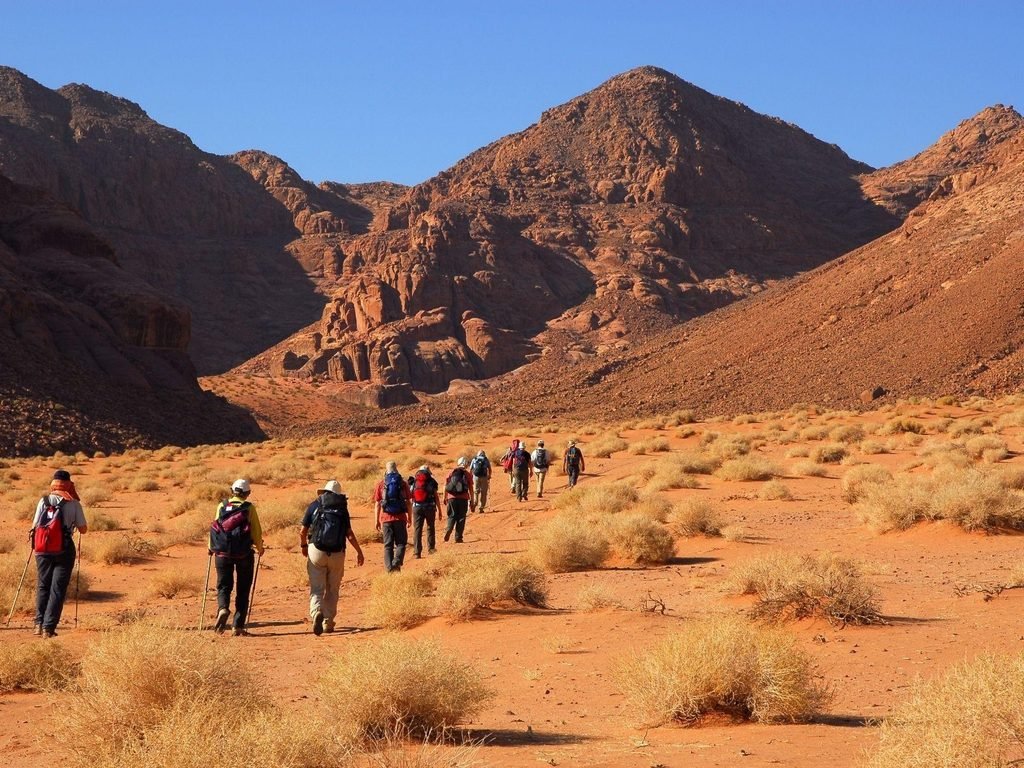
Similes for Desert Adventures
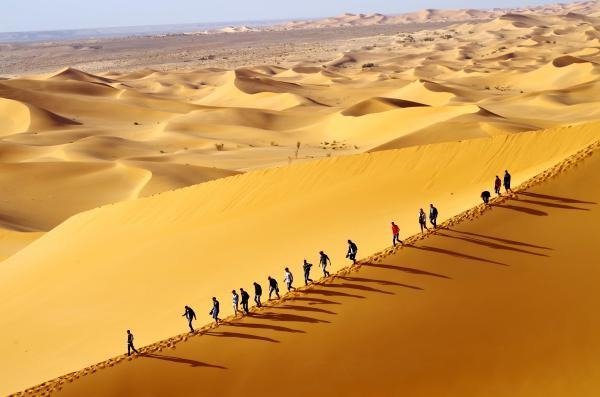
Desert adventures often involve heat, isolation, distance, and survival.
- The desert stretched like a golden ocean.
- The dunes rolled like waves frozen in place.
- The sun burned like a furnace overhead.
- The sand slipped like dry flour beneath their boots.
- The horizon shimmered like a mirage in a dream.
- The wind swept across the dunes like a giant broom.
- The stars appeared like diamonds scattered across black velvet.
- The desert night felt as cold as an empty room.
Similes for an Adventurous Journey
An adventure isn’t always about reaching a destination. Often, the journey itself becomes the story.
You can use these comparisons to describe roads, trails, detours, setbacks, and discoveries:
- The journey unfolded like a story with every page still blank.
- The road wound ahead like a question without an answer.
- The trail twisted like a thread through a maze.
- Every turn revealed something new like opening another gift.
- The path disappeared like a secret behind a curtain.
- The journey changed direction like a river around a rock.
- Their route stretched ahead like an unfinished sentence.
- The expedition moved forward like a train leaving the station.
- The map became like a treasure hunt in their hands.
- Each obstacle appeared like another locked door.
Similes for the Feeling of Adventure
Adventure isn’t only physical. The strongest descriptions often focus on what the experience feels like.
Similes for Adventure and Excitement
- Excitement raced through her like electricity.
- His heart pounded like a drum.
- Anticipation grew like thunder in the distance.
- Their energy spread like sparks across dry grass.
- The thrill hit him like a sudden wave.
- Her pulse raced like a horse at full speed.
- The moment felt like standing at the edge of a great discovery.
- His enthusiasm burned like a campfire in the dark.
Similes for Adventure and Fear
Fear doesn’t always weaken an adventure. Sometimes it makes the experience memorable.
- Fear crawled through him like cold water.
- Her hands shook like leaves in the wind.
- The darkness felt like a blanket hiding something unseen.
- His stomach dropped like a stone down a well.
- The silence pressed around them like a heavy wall.
- Anxiety followed them like a shadow.
- The unknown loomed like a storm on the horizon.
- His breath came quickly like someone running uphill.
Similes for Adventure and Freedom
Freedom often works best with images of open space, birds, wind, and wide horizons.
- They felt free like birds released from a cage.
- The open road stretched ahead like an invitation.
- The wind carried them like leaves across an open field.
- The sky seemed endless like an ocean without shores.
- Freedom felt like breathing fresh mountain air.
- Their spirits rose like birds taking flight.
- The road was open like a door without a lock.
Similes for Adventure and Curiosity
Curiosity pulls people toward places they don’t know.
- Curiosity tugged at her like an invisible hand.
- The mystery attracted them like a magnet.
- The unknown beckoned like a distant light.
- The hidden cave seemed like a secret waiting to be discovered.
- The map teased them like a riddle missing its final clue.
- Each strange sound sparked curiosity like a match in darkness.
Funny Similes for Adventure
Not every adventure needs to sound heroic. Sometimes the funniest stories involve getting lost, packing the wrong equipment, or realizing that the trail is much harder than expected.
- We were as lost as a sock without its pair.
- The backpack felt like a small apartment on my shoulders.
- The trail looked as confusing as tangled headphones.
- My hiking skills were like a bicycle with square wheels.
- We climbed the hill like turtles late for a meeting.
- My map-reading ability was like trying to read hieroglyphics backward.
- The tent stood like a crooked umbrella.
- Our survival plan was about as solid as wet cardboard.
- The hike started confidently and ended like a comedy show.
- My legs felt like two noodles after a marathon.
Humor works especially well when the comparison comes from a familiar experience. A reader doesn’t need to decode the joke.
Similes for a Dangerous Adventure
Danger requires sharper imagery. However, the comparison should support the scene rather than turn every moment into melodrama.
- The cliff edge looked like a broken blade.
- The storm approached like a dark army.
- The river roared like an angry beast.
- The rocks shifted like loose teeth beneath their feet.
- The path narrowed like a thread stretched over a void.
- The wind struck like a hammer.
- The waves attacked the boat like wild horses.
- The cave waited ahead like a mouth in the mountain.
- Danger followed them like a shadow.
- The thunder shook the valley like an enormous drum.
Similes for a Magical or Unforgettable Adventure
Some adventures feel almost unreal. For those moments, comparisons can emphasize wonder and beauty.
- The landscape looked like something painted in a dream.
- The stars glittered like diamonds scattered across velvet.
- The valley appeared like a hidden kingdom.
- The waterfall shone like silver ribbons.
- The sunrise spread across the sky like spilled gold.
- The cave glittered like a treasure chest.
- The village appeared below like a miniature model.
- The moment felt like stepping inside a storybook.
- The northern lights moved like ribbons dancing across the sky.
- The scene remained in her memory like a photograph that never faded.
Adventure Similes for Creative Writing
A simile works best when it serves a purpose. Don’t add one merely because the sentence feels plain.
Suppose you’re writing about a character entering an unfamiliar forest.
Basic version:
The forest was dark and quiet.
Stronger version:
The forest was as quiet as a room after everyone had left.
Now the reader has a clearer emotional reference point.
You can also combine sensory details with comparisons:
Cold mist curled around the hikers’ boots like fingers searching for a grip.
That sentence gives the reader movement, temperature, atmosphere, and tension.
Adventure Similes for Setting Descriptions
Use comparisons to establish the environment quickly.
- The valley opened like a giant bowl beneath the mountains.
- The road stretched like a dark ribbon through the desert.
- The clouds gathered like an army preparing for battle.
- The lake rested like a mirror beneath the mountains.
Adventure Similes for Character Reactions
Similes can reveal emotion without simply naming it.
Instead of:
“Marcus was terrified.”
Try:
“Marcus stood still, as tense as a drawn bowstring.”
The second sentence shows the emotion rather than merely labeling it.
Adventure Similes for Action Scenes
Action benefits from comparisons involving speed and force.
- The horse sprinted like an arrow.
- The climber moved like a spider across the rock face.
- The boat cut through the water like a knife through cloth.
- The runner disappeared like a flash of light.
Adventure Similes for Stories and Novels
Writers can use adventure similes at different points in a narrative.
Beginning an Adventure
The opening should create curiosity.
“The road ahead stretched like an unanswered question.”
This immediately suggests uncertainty and possibility.
Entering an Unfamiliar Place
“The cave opened before them like a doorway into another world.”
The comparison signals that the setting matters.
Facing Danger
“The storm gathered overhead like a dark curtain falling across the sky.”
The reader senses that conditions are changing.
Discovering Something Unexpected
“The hidden temple appeared like a forgotten jewel beneath the vines.”
The comparison emphasizes rarity and beauty.
Overcoming an Obstacle
“The final climb stood before them like a wall they had to conquer.”
The comparison gives the challenge physical shape.
Reaching the Destination
“The summit appeared like a crown above the clouds.”
A strong final comparison can reinforce achievement.
Adventure Similes for Essays and School Writing
Similes can strengthen descriptive and narrative essays when you use them selectively.
For example, imagine a school essay about a hiking trip.
Weak:
“The mountain was very high. The trail was very difficult. I was very tired.”
Improved:
“The mountain rose like a massive wall above the valley. The trail climbed sharply beneath our feet. By afternoon, my legs felt as heavy as wet sandbags.”
The improved version creates a scene instead of stacking generic adjectives.
For school writing, choose comparisons that are:
- Easy to understand
- Relevant to the subject
- Appropriate for the assignment
- Specific rather than vague
- Natural within the sentence
Avoid adding five similes to every paragraph. One memorable comparison can accomplish more than a pile of ordinary ones.
Adventure Similes for Captions and Social Media
Short comparisons work especially well for travel and adventure captions.
Funny Adventure Captions
- Lost like a tourist without Wi-Fi.
- Tired like a phone at one percent.
- Packed like we’re moving forever.
- Hiking like the mountain owes us money.
- Exploring like nobody gave us a map.
Inspirational Adventure Captions
- Free like the wind.
- Brave like a climber facing the summit.
- Wild like an untouched forest.
- Curious like a child opening a mystery box.
- Restless like waves chasing the shore.
Nature-Focused Adventure Captions
- The mountains stood like ancient guardians.
- The river moved like a silver snake.
- The forest felt like a secret kingdom.
- The horizon stretched like an endless promise.
- The stars scattered overhead like silver dust.
Adventure Similes by Meaning
The following table can help you choose a comparison based on the exact feeling you want.
| Meaning | Useful Imagery | Example |
| Excitement | Fire, lightning, waves | Excitement spread like wildfire. |
| Freedom | Birds, wind, sky | They felt free like birds. |
| Fear | Shadows, storms, darkness | Fear followed him like a shadow. |
| Courage | Lions, mountains, steel | She stood brave like a lion. |
| Mystery | Fog, doors, hidden paths | The cave waited like a secret door. |
| Speed | Arrows, lightning, horses | The boat moved like an arrow. |
| Beauty | Sunrise, stars, jewels | The valley shone like a jewel. |
| Discovery | Books, doors, treasure | The island appeared like hidden treasure. |
| Uncertainty | Fog, crossroads, winding roads | The future stretched like a foggy road. |
| Challenge | Walls, mountains, storms | The climb stood like a wall. |
100+ Similes for Adventure
Here’s a larger collection you can browse when you need a specific comparison.
Similes for Adventure and Excitement
- Like fireworks exploding across the sky
- Like lightning striking the ground
- Like a rocket leaving the launchpad
- Like a racing heartbeat
- Like thunder rolling across mountains
- Like sparks jumping from a fire
- Like a wave crashing over a boat
- Like a horse breaking into a gallop
- Like an arrow leaving a bow
- Like a storm gathering speed
- Like electricity through a wire
- Like a drumbeat growing louder
- Like a match lighting dry grass
- Like a sudden rush of wind
- Like a river breaking through a dam
Similes for Adventure and Nature
- Like a trail through an ancient forest
- Like a river cutting through stone
- Like clouds drifting over mountains
- Like birds crossing an open sky
- Like waves rolling toward the shore
- Like leaves dancing in the wind
- Like sunlight through a forest canopy
- Like snow falling across a silent valley
- Like a waterfall crashing over rocks
- Like stars scattered across darkness
- Like mist floating above a lake
- Like a desert stretching toward the horizon
- Like wildflowers growing between rocks
- Like an eagle circling above a valley
- Like moonlight resting on a river
Similes for Adventure and Danger
- Like walking across thin ice
- Like standing beside a raging river
- Like entering a cave without a torch
- Like facing a storm at sea
- Like climbing a wall of ice
- Like running toward a thunderstorm
- Like balancing on a narrow bridge
- Like stepping into a sleeping volcano
- Like sailing through angry waves
- Like walking through a dark tunnel
- Like facing a wild animal
- Like standing beneath a falling avalanche
- Like holding a rope over a cliff
- Like wandering into unknown territory
- Like crossing a bridge in a storm
Similes for Adventure and Freedom
- Like a bird leaving its cage
- Like wind crossing an open field
- Like a river without a barrier
- Like an eagle above the mountains
- Like clouds moving across a wide sky
- Like a road without an end
- Like sailing beyond the horizon
- Like running across an empty beach
- Like opening a door into open country
- Like breathing fresh air after being indoors
Similes for Adventure and Discovery
- Like opening a treasure chest
- Like turning the first page of a new book
- Like finding a hidden doorway
- Like solving an ancient riddle
- Like uncovering buried treasure
- Like discovering a secret garden
- Like finding a new star
- Like opening an unknown map
- Like stepping through a mysterious portal
- Like finding an unexpected path
- Like uncovering an old photograph
- Like discovering a forgotten kingdom
- Like following a trail of clues
- Like finding a message in a bottle
- Like opening a gift without knowing what’s inside
Adventure Similes in Sentences
Knowing a simile is useful. Knowing how to place it naturally is even more valuable.
Examples for Descriptive Writing
“The mountain stood like an enormous wall against the morning sky.”
“The river twisted through the valley like a silver ribbon.”
“The forest seemed as quiet as an abandoned cathedral.”
“Mist floated across the lake like a thin white veil.”
Examples for Narrative Writing
“We followed the trail like detectives chasing a missing clue.”
“My heart hammered like a drum as we approached the cave.”
“The storm arrived like an uninvited guest.”
“We ran toward the shelter like frightened animals escaping a fire.”
Examples for Travel Writing
“The mountain village appeared like a hidden jewel among the peaks.”
“The coastline stretched like a blue ribbon beneath the cliffs.”
“The desert looked like an endless ocean made of sand.”
Examples for Everyday Writing
You don’t need to write an epic novel to use a simile.
“That road trip felt like a mini adventure.”
“Finding that hidden restaurant was like discovering a secret treasure.”
“The hike was like a workout disguised as a vacation.”
These examples sound natural because the comparisons match ordinary experiences.
How to Create Your Own Adventure Similes
Creating original similes becomes easier when you stop searching for a “perfect” comparison and start looking for a shared quality.
Identify the Thing You’re Describing
Start with the subject.
Is it:
- A mountain?
- A river?
- A person?
- A feeling?
- A storm?
- A journey?
- A difficult climb?
Decide What You Want the Reader to Feel
A mountain can represent different things.
It might feel:
- Majestic
- Frightening
- Beautiful
- Unreachable
- Inviting
- Lonely
Your intended emotion determines the comparison.
Choose Something With a Shared Quality
Suppose the mountain looks intimidating.
You could compare it to:
- A fortress
- A giant wall
- A sleeping beast
- A towering guardian
Now connect the images:
“The mountain stood like a fortress guarding the valley.”
That’s more meaningful than randomly comparing it to something unrelated.
Make the Comparison Specific
Compare:
“The river was like an animal.”
with:
“The river charged through the canyon like a wild horse.”
The second comparison gives the reader movement and personality.
Remove Anything Unnecessary
Strong similes don’t need five adjectives surrounding them.
Instead of:
“The incredibly huge, unbelievably frightening mountain stood like a gigantic monster.”
Try:
“The mountain loomed like a sleeping giant.”
Cleaner writing often creates stronger imagery.
Simile vs. Metaphor for Adventure
Similes and metaphors both create comparisons, but they work differently.
| Feature | Simile | Metaphor |
| Comparison | Explicit | Direct or implied |
| Common markers | Like, as | Is, was, became |
| Example | The trail was like a snake. | The trail was a snake. |
| Effect | Often clearer | Often more forceful |
| Best use | Explanation and vivid description | Strong imagery and symbolism |
For example:
Simile:
“The forest was like a fortress.”
Metaphor:
“The forest was a fortress.”
The simile tells readers that the forest resembles a fortress. The metaphor makes the identification more direct.
Neither is automatically better. Choose the form that fits your sentence and purpose.
Common Mistakes When Using Adventure Similes
Even creative comparisons can weaken writing when you use them poorly.
Using Too Many Clichés
Comparisons such as “fast as lightning” can work. However, they have become familiar through heavy use.
When originality matters, consider a fresher image.
Instead of:
“He ran like lightning.”
Try:
“He ran like a startled deer breaking through the brush.”
The second version creates a more specific scene.
Choosing an Unrelated Comparison
A comparison needs a logical connection.
If you’re describing a quiet forest, comparing it to a roaring engine creates confusion unless you intentionally want contrast.
Mixing Similes
Avoid combining unrelated comparisons:
“The river was like a snake and as loud as thunder and moved like a rocket.”
The imagery becomes crowded.
Choose the strongest comparison:
“The river twisted through the canyon like a giant snake.”
Making Everything Dramatic
Not every backpack needs to feel like an ancient artifact. Not every hill needs to resemble Mount Everest.
Adventure writing becomes stronger when you vary intensity.
A quiet sentence can make the next dramatic moment stand out.
Repeating the Same Comparison
If every paragraph contains a “storm,” “fire,” or “lightning” comparison, readers will notice.
Use different imagery:
- Water
- Animals
- Weather
- Architecture
- Music
- Light
- Travel
- Everyday objects
That variety creates better burstiness and rhythm in the prose.
How to Choose the Right Adventure Simile
Before using a comparison, ask five simple questions:
Does it match the emotion?
A peaceful scene needs different imagery from a dangerous one.
Does it fit the setting?
A desert adventure may benefit from dunes, heat, stars, and mirages.
Does it create a clear picture?
Readers should understand the comparison without stopping to decode it.
Does it add something?
If the sentence is already vivid, another simile may only create clutter.
Does it sound natural?
Read the sentence aloud. If the comparison feels forced, replace it.
A Simple Selection Guide
| If you want to express… | Try imagery involving… |
| Excitement | Fire, lightning, racing animals |
| Fear | Shadows, storms, darkness |
| Freedom | Birds, wind, open skies |
| Mystery | Fog, doors, hidden paths |
| Beauty | Stars, sunrise, jewels |
| Danger | Cliffs, storms, wild animals |
| Speed | Arrows, horses, lightning |
| Peace | Lakes, clouds, snowfall |
| Discovery | Treasure, books, doors |
| Difficulty | Mountains, walls, steep roads |
FAQS
What is a good simile for adventure?
A strong general example is “The adventure unfolded like a map coming to life.” It suggests movement, discovery, and uncertainty without becoming overly dramatic.
What is a simile for an exciting adventure?
You could write, “The adventure rushed forward like a river after heavy rain.” The comparison communicates energy, speed, and unstoppable movement.
What is a simile for a journey?
A useful example is “The journey stretched ahead like an unfinished story.” It works particularly well when the destination remains uncertain.
What is a simile for exploring?
Try “Exploring the cave was like opening a book whose ending hadn’t been written.” The comparison emphasizes curiosity and discovery.
What is a simile for adventure and excitement?
“Excitement spread through the group like sparks across dry grass.” This comparison suggests that one person’s enthusiasm quickly affects everyone else.
What are some funny similes for adventure?
Funny options include “We were as lost as a sock without its pair” and “The trail looked as confusing as tangled headphones.” These comparisons work because readers immediately recognize the situations.
How do you describe adventure using a simile?
Identify the specific quality you want to emphasize. Then compare it with something familiar that shares that quality.
For example, if the adventure feels uncertain, you might write:
“The road ahead looked like a question waiting for an answer.”
How can I create my own adventure simile?
Start with the subject, choose its strongest quality, find a familiar object or experience with the same quality, and connect the two using like or as.
For example:
Subject: Difficult trail
Quality: Steep and challenging
Comparison: A wall
Simile: “The trail rose like a wall before us.”
Conclusion
The best similes for adventure do more than make writing sound creative. They help readers see, feel, and experience the moment.
A mountain can become a fortress. A river can become a wild horse. A forest can become a hidden kingdom. A difficult journey can become an unfinished story.
That transformation gives ordinary description more life.
When choosing an adventure simile, focus on the quality you want readers to notice. Match the comparison to the setting, mood, and purpose. Most importantly, don’t force imagery where simple language works better.
One precise comparison can turn a flat sentence into a scene readers remember. Choose the image carefully, keep it natural, and let the adventure carry the rest.


[…] Reade MOre:Similes for Adventure: Creative Comparisons for Writing […]